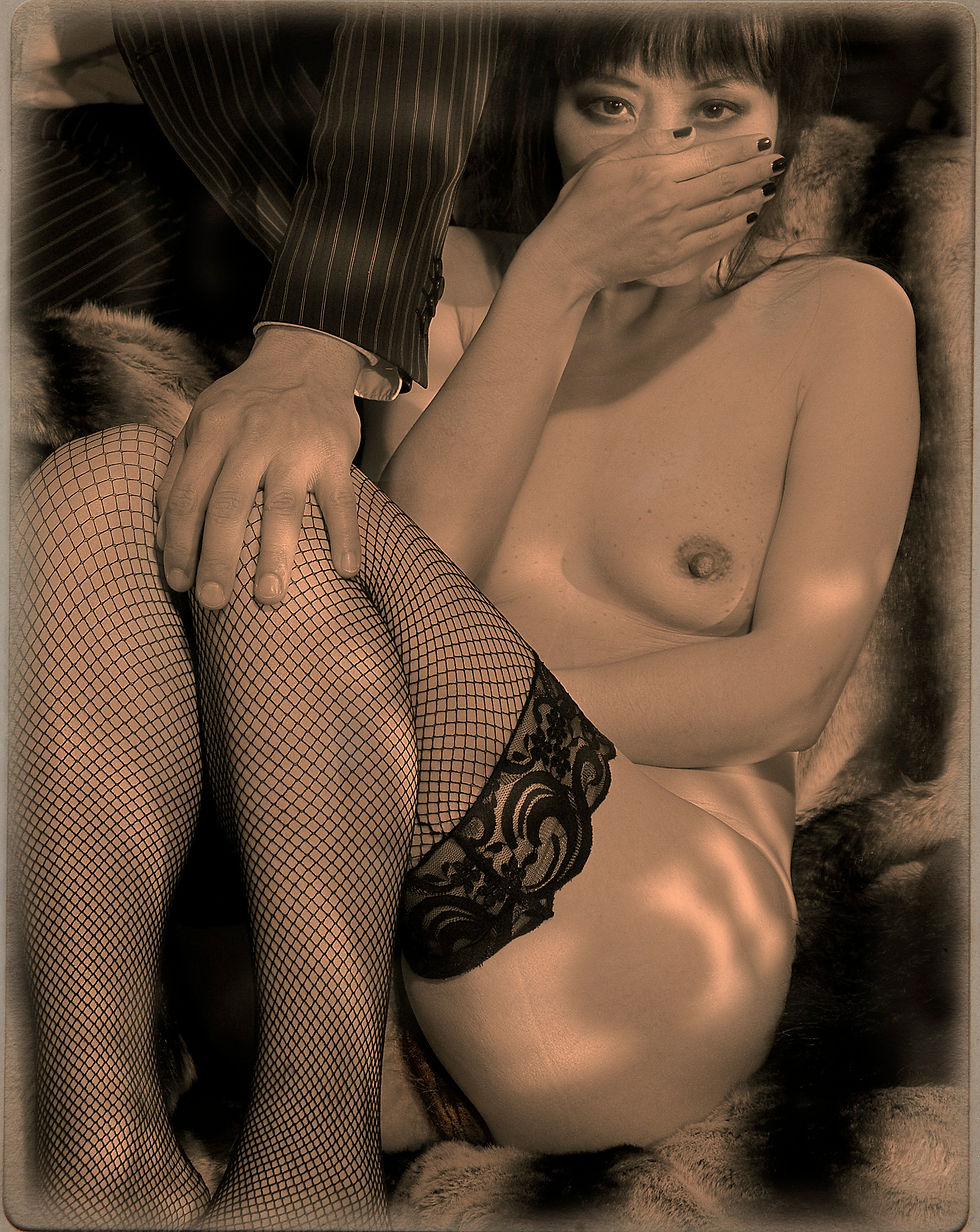
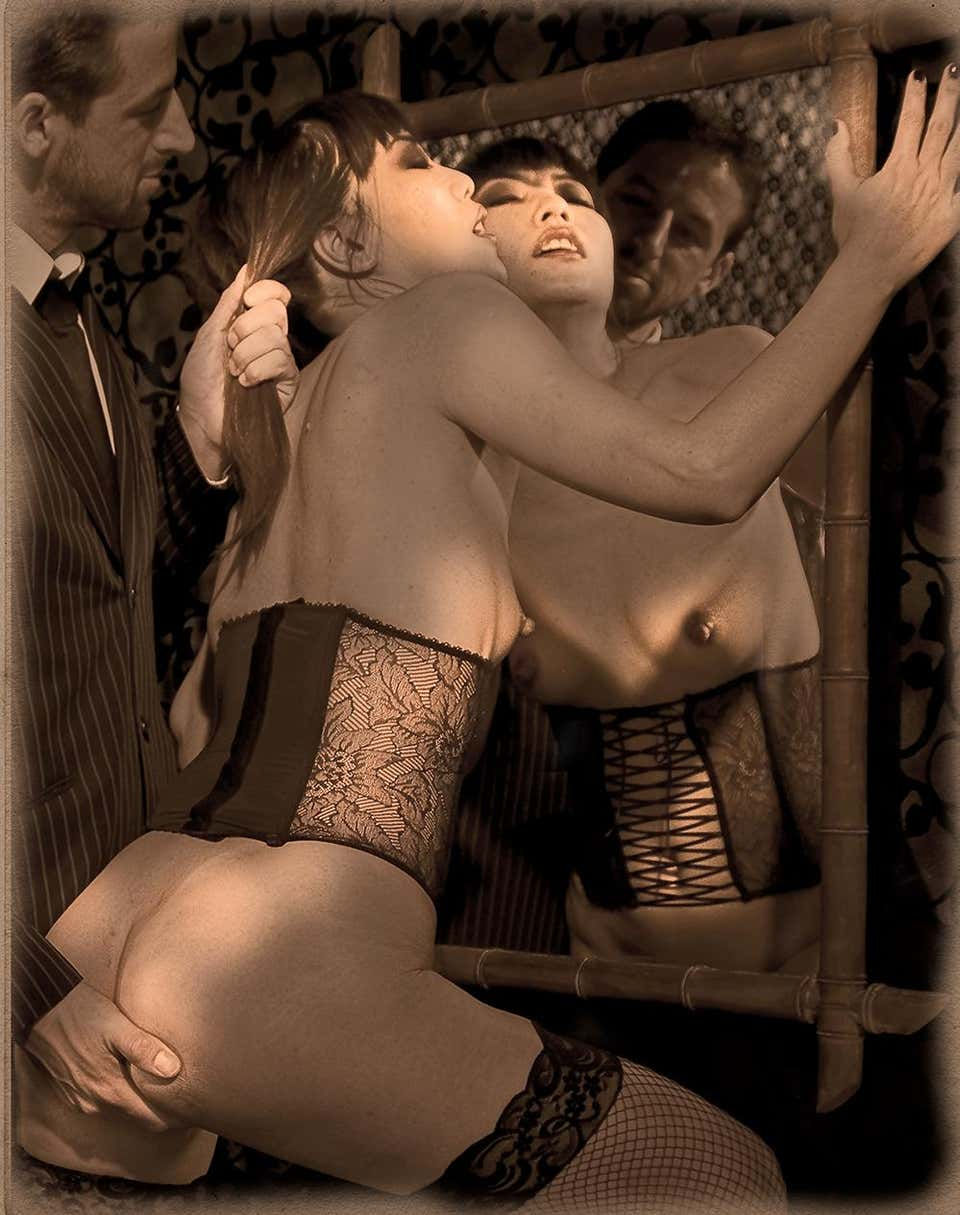
Part of Roberto Fonfría’s critically acclaimed practice, this unique physical creation treats the single sheet of 100% cotton paper as an analytical laboratory for sub-surface social research, exploring human behavior and institutional rules with a sharp, critical eye and nostalgic humor. The balanced grid arrangement tracks an intense graphic rhythm, coordinating a complex mixed media matrix where four found images collected from thrift store magazines, advertising, and family photo albums are extracted from their natural context. The artist fragments and reconstructs the figures by superimposing raw watercolor coatings, aggressive graphite scratches, and cynical handwritten annotations that touch on personal themes of dreams, fears, and memories derived from his Venezuelan childhood.
The images come from old magazines, advertising and photo albums collected at thrift stores creating a mixed media artwork. By extracting them from their natural context, he reconstructs them by adding references to popular culture as well as common phrases and insights that come from his Venezuelan childhood.
Fonfria's work explores human behavior and social rules with a critical eye and humor, touching on personal themes such as dreams, fears, and memories. The images come from old magazines, advertising, and photo albums collected at thrift stores. By extracting them from their natural context, he reconstructs them by adding references to popular culture as well as common phrases and insights that come from his Venezuelan childhood.
Purchase this unique piece of conceptual photography collage art by Roberto Fonfría directly through The Art Design Project platform.
Conceptual Collage Photography - Close Before Striking IX, 2014
Close Before Striking IX, 2014
Collage, watercolor, and graphite.
Dimensions: 20 H x 16 W in.
One of a kind
Mixed Media on %100 Cotton.
Mounted on a white frame
Roberto Fonfría (1969) born in Caracas, Venezuela, examines questions of consciousness, identity, happiness, humor, boredom, masculinity, money and aging, exposing the centrality of time that belongs to each piece. His collages live on thanks to his curious hands that choose specific pieces of paper, cardboard, thread, photographs and clippings, and are reworked on a surface to construct a different meaning, a new identity, a new narrative. Uniting disciplines as broad as photographic transfers with drawing and writing. His method of creation consists of using images from old magazines, advertisements and photo albums, modifying them and adding references to popular culture, common phrases and reflections from his childhood in Venezuela. Finally he makes “analogical” modifications using practical methods, painting, drawing and writing.